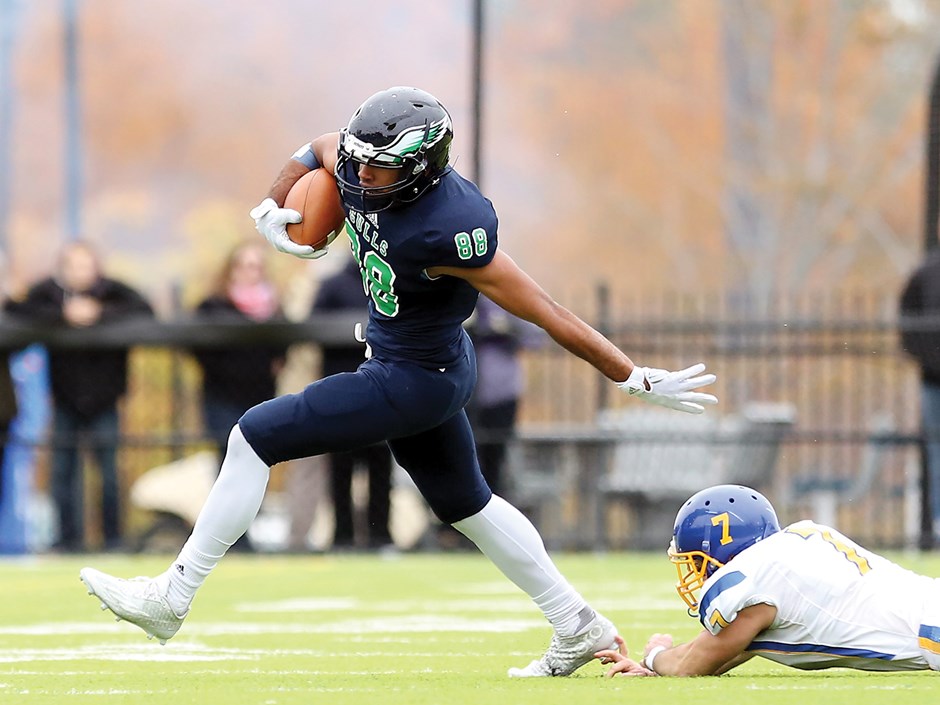
For Endicott student-athletes, leadership goes beyond a “C” on a jersey. It’s a journey they share as participants in the Leaders of the Endicott Athletics Department (LEAD) program, which takes them from the classroom to the field, through graduation, and beyond.
At its core, LEAD is a consortium of student-athletes who meet monthly to discuss leadership-adjacent topics. Split into two cohorts of approximately 65 students each—emerging leaders (underclassmen) and leaders (upperclassmen)—the students are nominated by coaches. Outside those meetings, LEAD becomes a way to teach Gulls to take on challenges, set positive examples, and find their voice when it’s needed most.
Built With Purpose
Brian Wylie, Ph.D., Assistant Vice President and Director of Athletics, studied student-athlete leadership for his Ph.D. and, in 2014, brought the idea of an Endicott program to Jodi Kenyon, Associate Director of Athletics, and other administrators.
Kenyon said they wanted to set themselves apart from other college athletic leadership programs, so they avoided outsourcing or using a cookie-cutter curriculum. After focus groups and conversations with athletes, coaches, and staff, the collected data evolved into four principles that would drive LEAD: commitment, character, effective communication, and confidence (see sidebar).
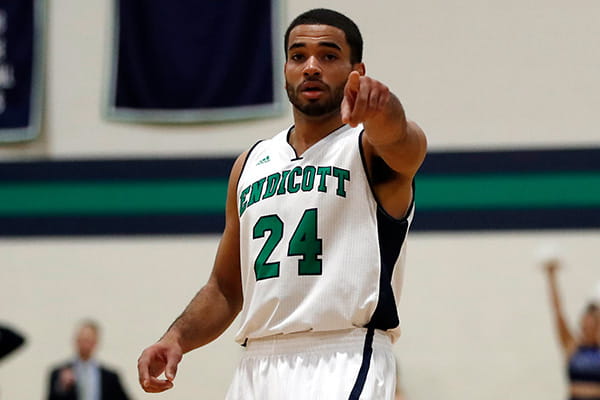
Former member of the football and men’s basketball teams, Chris Lipscomb ’17 M’18 participated in the inaugural year of the program.
“Hearing them talk about why they were creating this program and the importance of being leaders on your teams, on the campus, and in the community was motivating,” he shared. “It was humbling to be invited to be a part of that group.”
Learning From One Another
The team works to keep the LEAD meeting content current and interactive; guest speakers occasionally appear, but the priority is to keep active discussions among students. Topics have included authentic leadership, communication, mental health, performance anxiety, navigating difficult conversations, and building community across teams.
“LEAD is unique because it puts a bunch of people in the same room where there are no elected officials, no hierarchy, and limited judgment,” said Will Perry ’23.
Wylie said it’s incredibly fulfilling to see students share challenges and find solutions together.
“To witness this is one of the most powerful examples of students navigating problems and helping their peers become better leaders,” he explained.
Life After LEAD
LEAD helped Lipscomb realize that he could be a leader outside of athletics.
“We talked a lot about how you don’t have to be at the head of the table to be a leader. Everybody is a leader if they’re leading by example,” said Lipscomb, who is now a Senior Manager of Talent Acquisition at VEIR. “I can be a leader in my role no matter where in the organization I sit.”
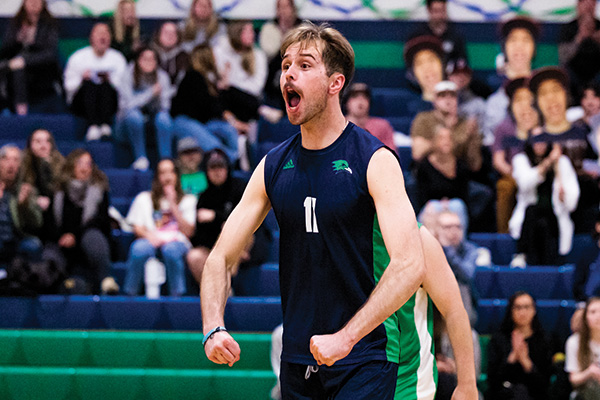
Perry, an Assistant Coach for Women’s Volleyball at Boston College, said he wouldn’t have his current career if it wasn’t for LEAD—the connections he made pushed him to seek an internship out of his comfort zone, and that internship turned into his coaching role.
“The best thing I got from LEAD was to have open conversations with coaches outside my program; I formed a lot of cool relationships,” he explained.
Senior Mackenzie Graham ’27, who plays ice hockey and golf, has already put her LEAD toolbox to use, focusing on positive team culture and excelling in her internships. She transitioned well to her financial internship at UBS by “learning how to read the room,” she said, and discovered that lessons from LEAD can apply in unexpected places.
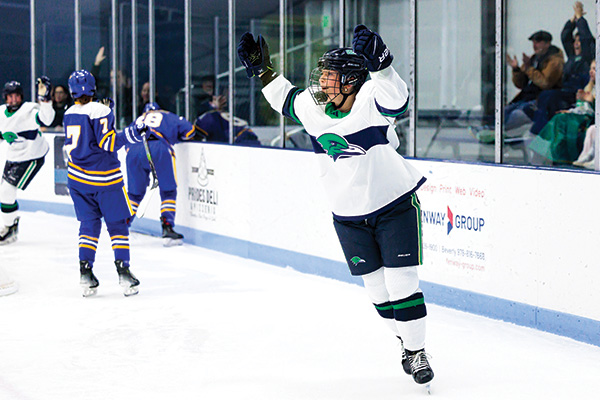
“I was shadowing a real estate brokerage, and I started talking to an artist and his neighbor at a luxury showing,” she shared. “One of them mentioned theories of learning and motivation. I thought, ‘We talked about this in LEAD!’ It was a really nice feeling to be able to contribute to such a high-level analytical conversation, but I ended up surprising them and myself.”
Wylie said the impact of the LEAD program lies in giving students an opportunity to be authentic in a safe space.
“Our students are more empowered, more prepared, both on and off the field,” he shared. “It’s helped them in difficult moments with self-confidence and perseverance, and they can put it in their tool belt and have it down the road.”